Transactions are happening, but the market is highly selective
29. SYYSKUUTA 2026
▪ 6 Lukuaika
Jaa
The recovery of the European real estate investment market has continued. The 12-month transaction volume for commercial real estate reached over EUR 187 billion in June 2026, approximately 10% higher than a year earlier. In Finland, the rolling 12-month transaction volume increased to approximately EUR 5.8 billion, representing growth of 90%.
Finland’s strong growth is partly explained by the fact that the market recovery started later than in many other European markets. However, the overall picture shows significant differences: investor demand and transaction activity have recovered at very different speeds across sectors.
Yet, selectivity does not mean inactivity. Over the past year, Newsec has advised on transactions across all key real estate sectors, an observation highlighted by Esa Pentikäinen, Head of Capital Markets at Newsec. We discussed with him how he views the current momentum in the Finnish transaction market and how investor demand is playing out across different property sectors.
Although uncertainty remains in the market environment, Newsec has recently been active across all key real estate sectors. What does this tell us?
“Although uncertainty in the market remains, transaction activity has not come to a halt. On the contrary, over the past year we have advised on transactions across all key real estate segments. However, the market is highly selective: best-in-class assets, stable cash flow, realistic pricing and an efficient process are currently the key drivers of successful transactions. Demand needs to be correctly identified and, as one of the most active brokers in the market, Newsec remains very close to the pulse.”
Which sectors currently appear strongest?
“Light industrial & logistics remains a highly attractive sector. Yield levels are compelling, and Finland offers international investors an interesting risk-return profile. Compared with Sweden, for example, there is still a notable yield spread, which strengthens Finland’s relative competitiveness.”
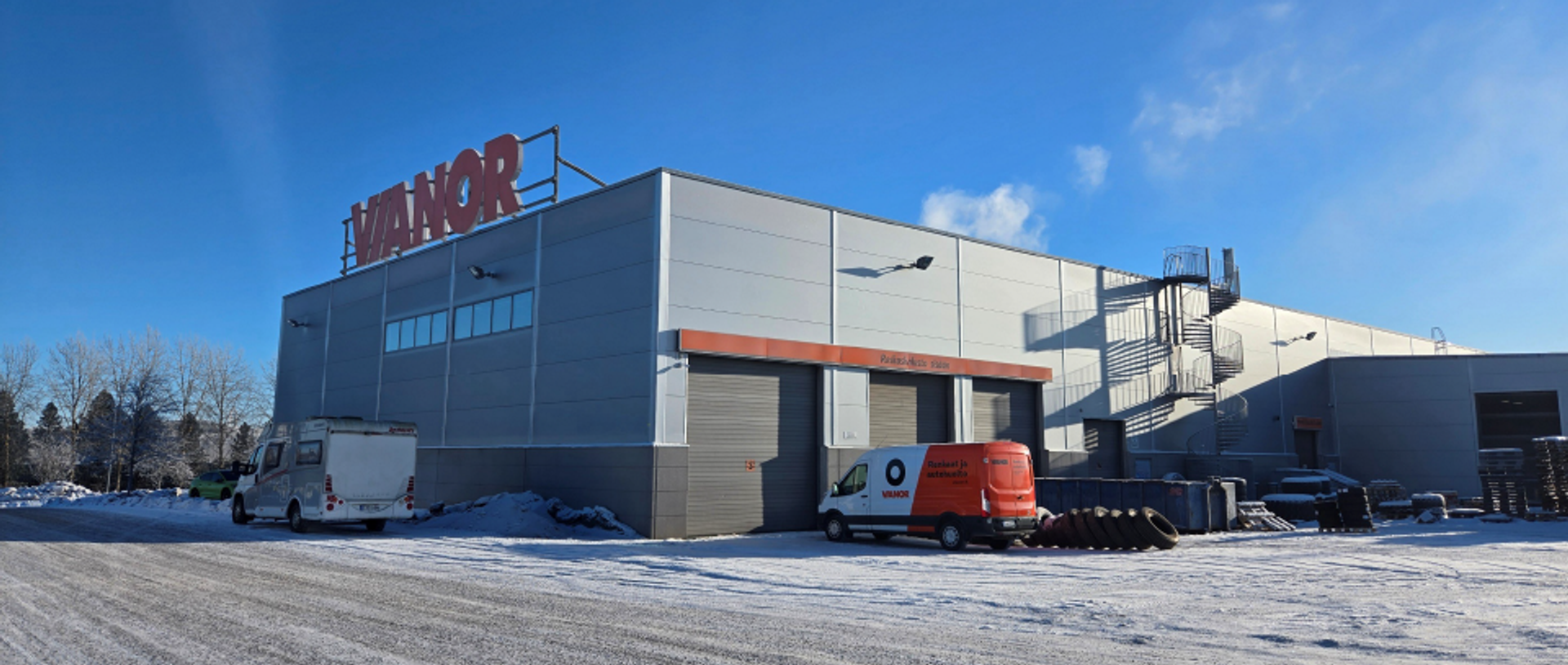
Partners Group sold two-asset light industrial portfolio to Logistea AB (Q3-2026).
What about retail, which many considered a challenging sector not long ago?
“In retail, investors are primarily looking for cash-flow stability. Grocery remains a very strong theme, and well-located big box assets continue to attract interest. Grocery-anchored local centres are also finding buyers when priced correctly.”
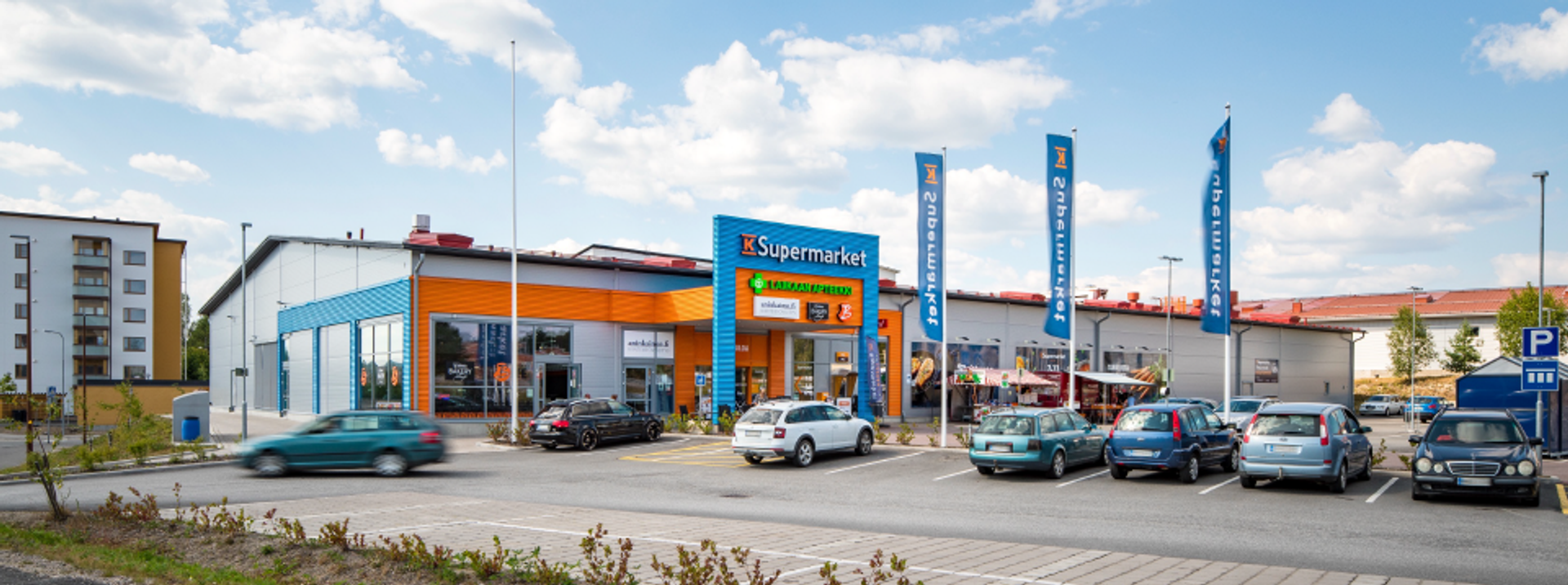
Evli Rental Income Fund sold a three-asset retail portfolio, located in well-known retail destinations, to Vendus (Q3-2026).
The residential sector has attracted a lot of discussion. Where do you see the greatest opportunities?
“The increase in interest rates has had a particular impact on the pricing of prime residential portfolios, but at the same time the contraction in rental housing supply is creating interesting opportunities for investors. The Helsinki Metropolitan Area and growing university cities in particular are attracting buyers of both standing assets and development projects, as investors anticipate that the limited volume of new supply will tighten the market in the coming years.”
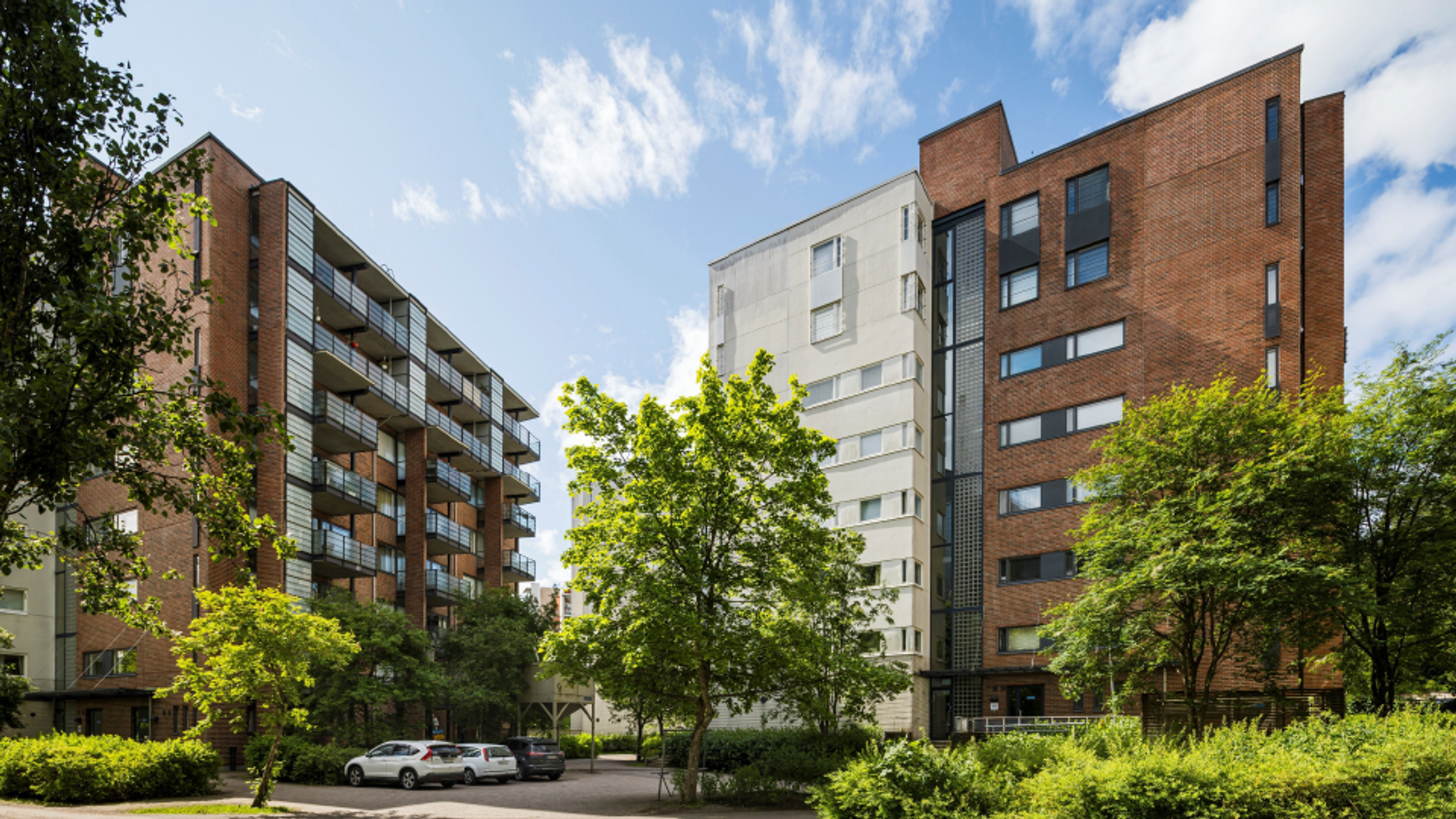
Ilmarinen Mutual Pension Insurance Company sold a major HMA residential portfolio to Storebrand (Q1-2026).
What about offices? Is the sector still out of favour with investors?
“The office sector is the most challenging from a financing perspective, but at the same time perhaps one of the most interesting for investors seeking higher returns. This is clearly the sector where buyer’s market conditions are most pronounced. Buyers are paying particular attention to tenant quality and lease duration.”
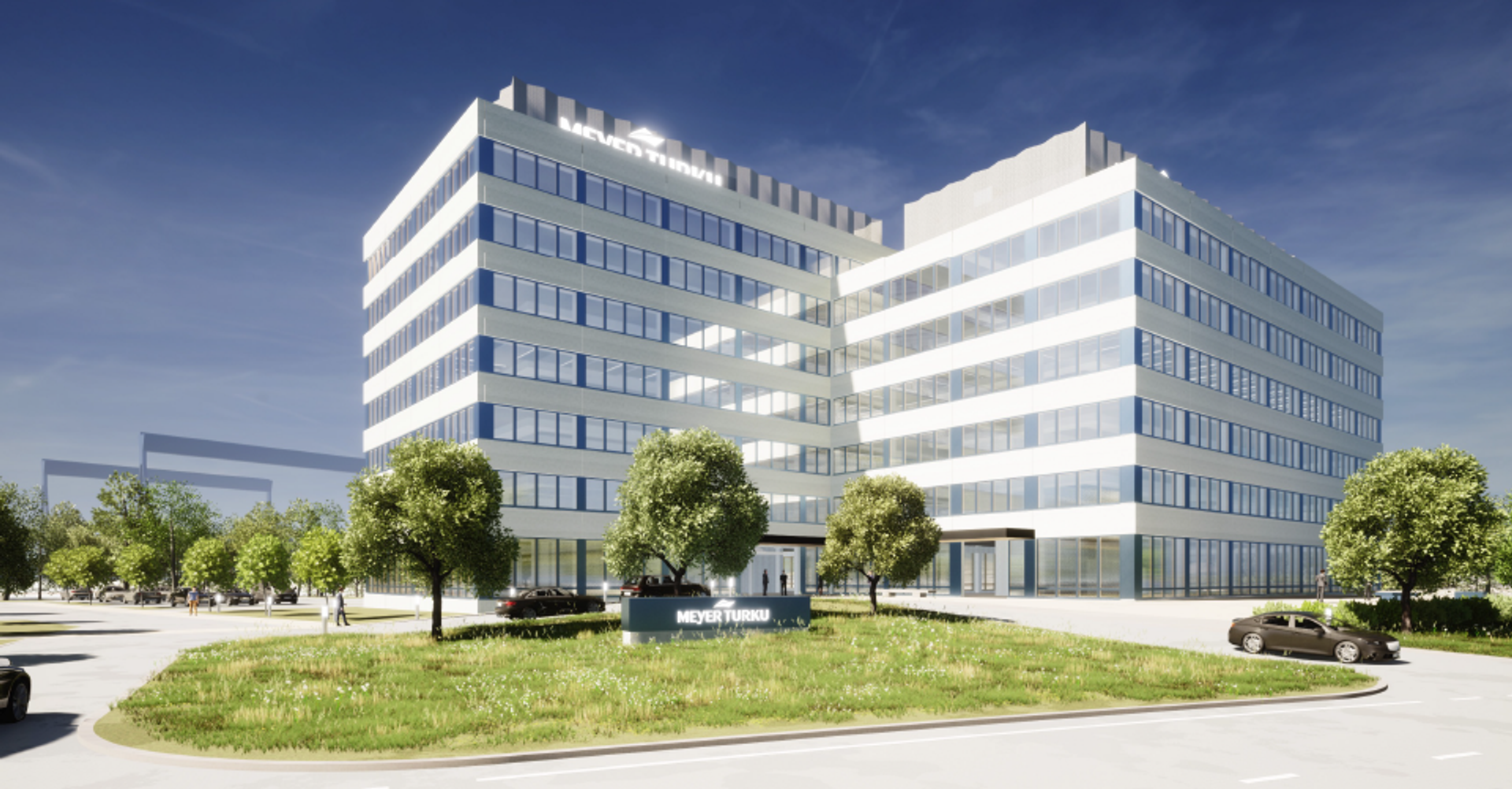
SRV sold a new, landmark headquarters office development in Turku to Balder (Q2-2026).
The sentiment around care properties appears relatively stable?
“In the care property segment, upward pressure on yield requirements is currently relatively limited compared with many other sectors. Although buyer demand is fairly selective, investors’ ability to transact remains solid and capital raising for the sector has progressed as planned. We are also seeing new projects being directed towards care use, particularly as residential developers seek alternatives due to subdued consumer demand.”
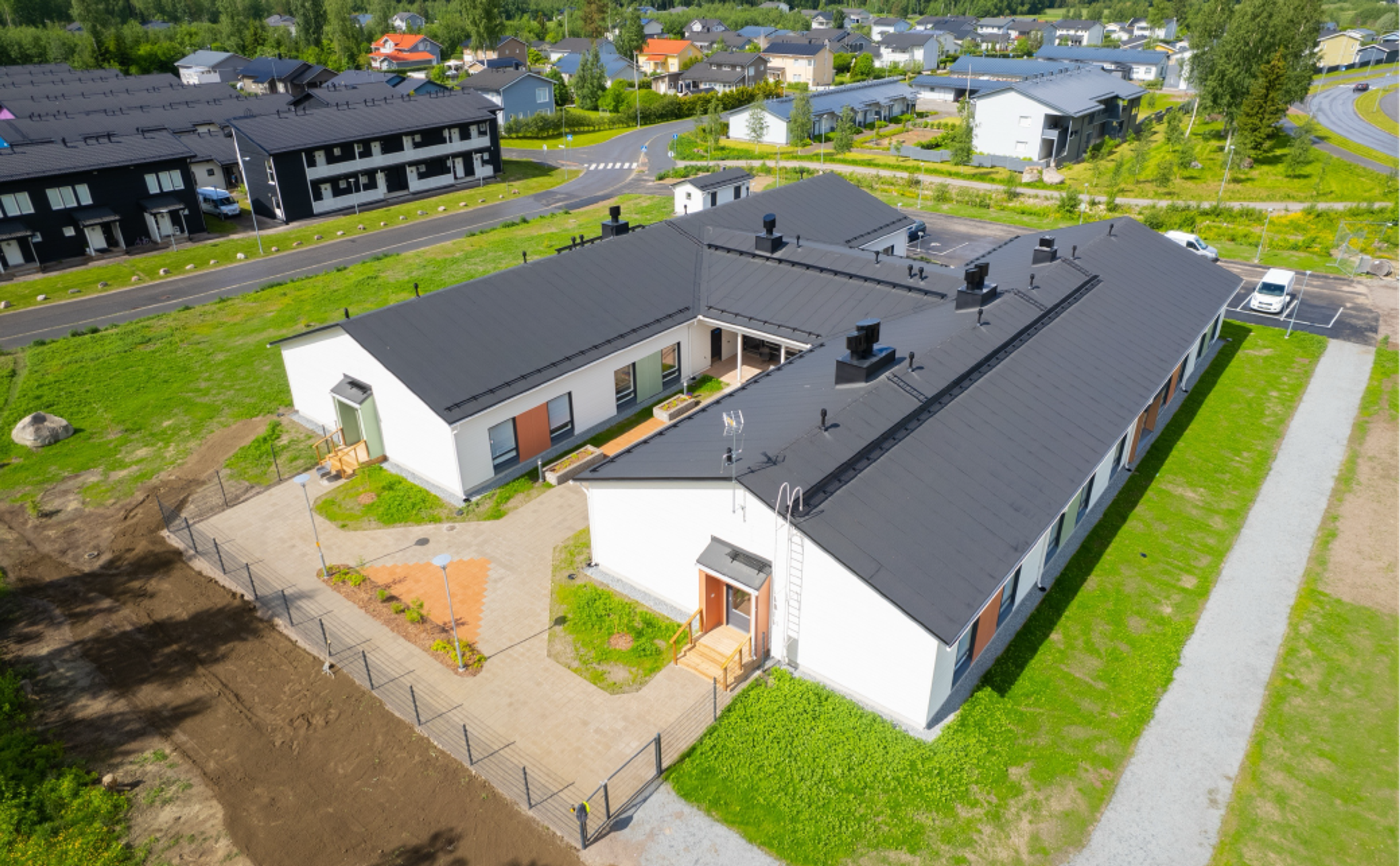
United Bankers UB Finnish Properties (AIF) sold a three-asset care portfolio to Kinland (Q2-2026).
If you were to highlight one sector that has surprised positively, which would it be?
“Hotels. The Helsinki hotel market is currently attracting interest from a wide range of investors. The gradual strengthening of the Finnish economy, growth in tourism and Helsinki’s yield levels relative to other Nordic capitals make the sector highly interesting.”
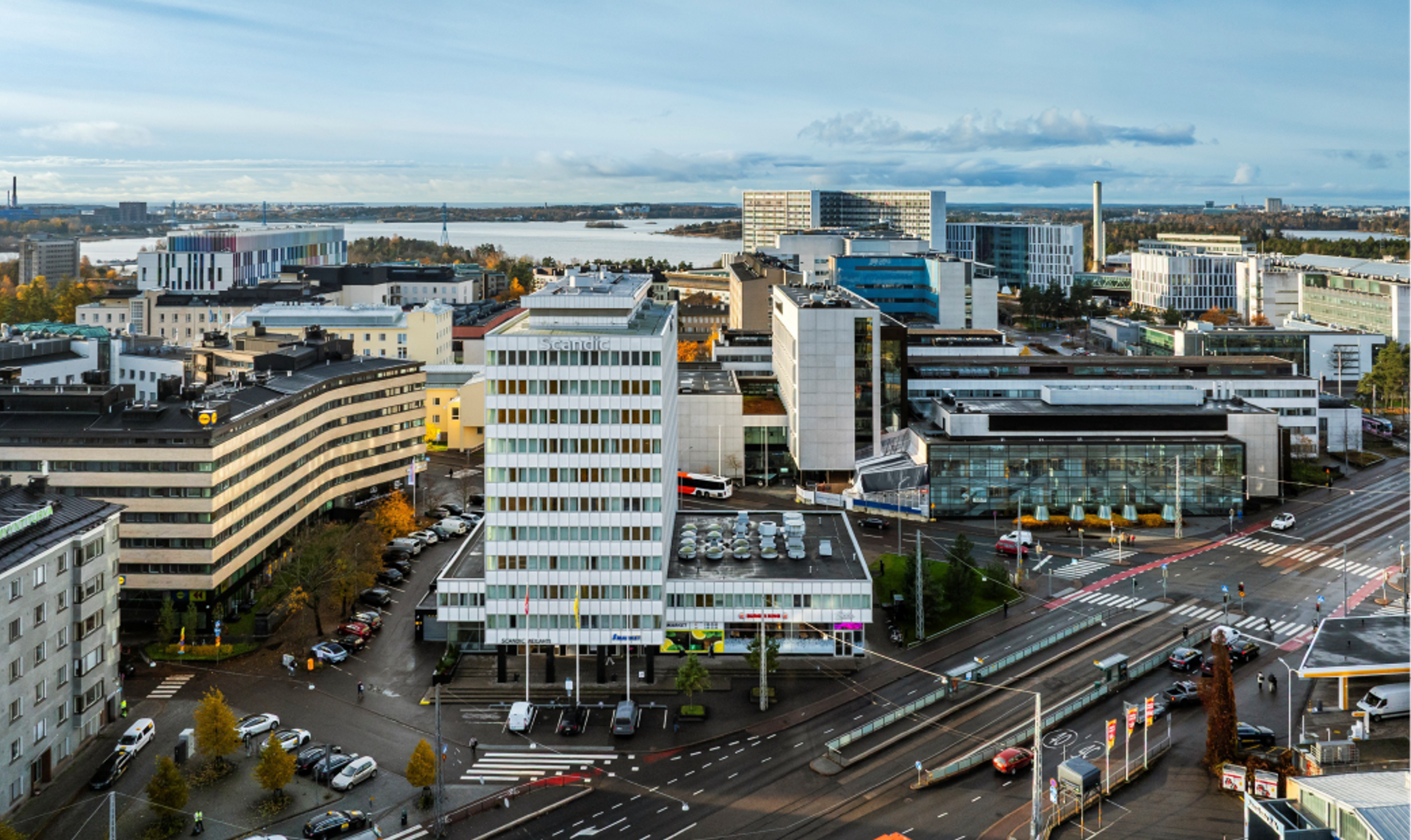
LähiTapiola sold a prime hotel property in Helsinki to Balder Finland (Q1-2026).
How do you see the market developing over the next 12 months?
“I believe activity will continue, but there is limited room for pricing to tighten in the near future, due to global uncertainty. Not all sectors will develop in the same way, but there is capital in the market and investors are looking for new opportunities. Several new international investors have entered the Finnish market this year. What is essential is to understand the asset’s investor universe, pricing and to build the process around those factors. When these elements are executed correctly, transactions continue to take place across all sectors.”